
The Definitive Guide To Backlinks | Find Link Building Gold In 2020
Want to Attract Maximum Traffic? Go for Backlinks
Backlinks are a great way to attract traffic to your website.
What are Backlinks?
Backlinks (also known as “inbound links” or “one way links”) are links from one website to a page on another website.
Basically, if a domain places a link to your site somewhere on their site, that is a backlink.

The most important thing to keep in mind while building backlinks is the quality of website and the content that it contains.
While ranking a website, Googles’ algorithm looks for sites which your blog or website pages are connected/linked to. This is why having links with highly ranked domains is beneficial for your website. Google uses these links as a “vote of confidence” for your domain.
However, this is only one of the numerous ranking factors used by Google, but it is an important factor for SEO.
Although it’s not easy to create quality backlinks, in this article, I am going to show you a few actionable techniques to get high quality links from high quality websites.

1) Broken-link building
The broken-link building method is a great way to build high quality backlinks.
In this technique, you need to contact the webmaster to report a broken link.
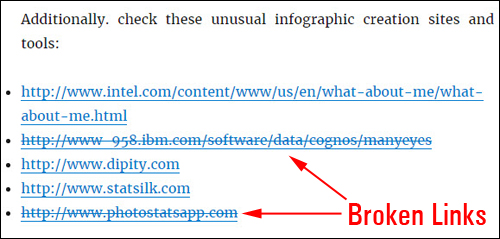
While sending this report, you can send some suggestions of websites (including yours), that can be used to replace those broken links.
As a token of appreciation, the webmaster may mention your website for a backlink.
Don’t be blunt while contacting a webmaster. Be sure to communicate in a friendly way and introduce yourself. Tell him/her about the broken links with an exact location along with the alternatives.
It’s rare that the webmaster will refuse to give you a link, but in some cases, this can happen. Try not to get disheartened; you can try another website.
The first step to this method is to find the relevant websites matching your niche with a resources page. You can use the following commands:
1) Your keywords + resources
2) Your keywords + links
3) Keywords inurl:links
Let’s use an example:
I have a pet care website. To search for the relevant websites I use a command ‘pet care + links’.
The next step is to search for the broken links.
To do this, I need to install a Google plugin by the name of “Check My Links”.
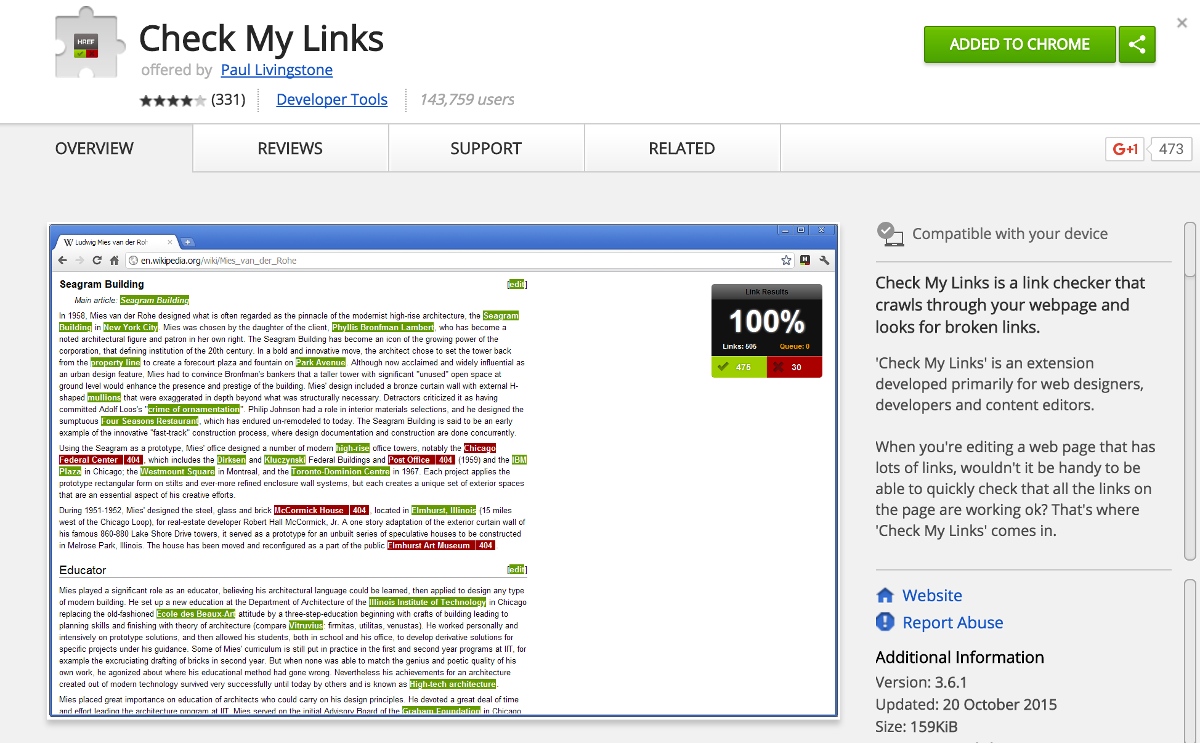
By using this plugin, you can quickly discover the number of links that are broken on a website. From there all you have to do is report the link as broken and watch the backlinks come flooding in.
2) Guest Blogging
Guest blogging is a great way to build traffic by expanding your audience. Even the Google Analytics blog accepts guest contributors.
Guest blogging, if used correctly can be a great way to build your presence on social media.
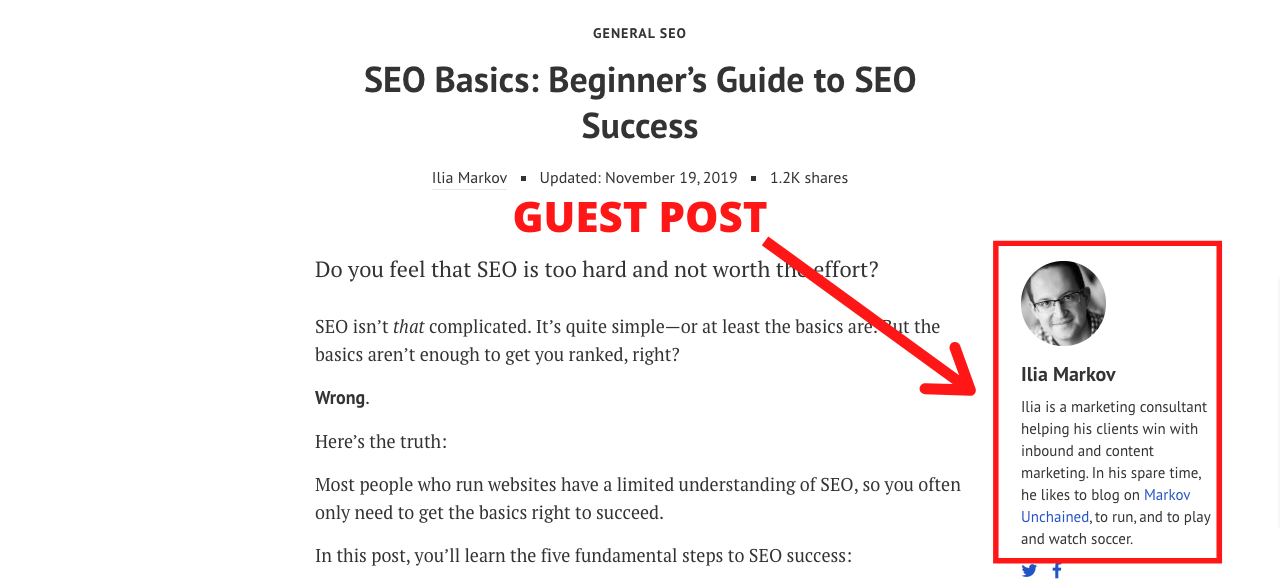
Here are three ways to find websites that accept guest posting:
1. Search queries
A combination of some keywords on Google search engine can produce amazing results.
Some of the most popular combinations for searching for blogs that accept contributions from freelance bloggers are:
• Your Keyword + “guest-post”
• Your Keyword + “submit an article”
• Your Keyword + inurl:write for us
• Your Keyword + “become an author”
• Your Keyword + “become a contributor”
• Your Keyword + “bloggers wanted”

2. Search For Previous Authors
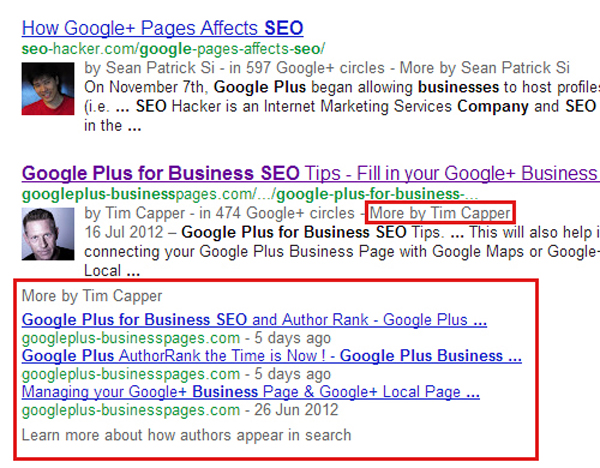
You can search for freelance authors that have previously contributed guest posting articles.
The best place is to search on Google Plus in the ‘About’ section of the author’s profile.
Here, you will find websites in which he/she has contributed. Using this process, you can find endless opportunities to contribute an article.
3. Build your presence on social media
Search for ‘guest posts’, ‘guests articles’ and similar keywords on social media websites.
You can use Keyhole to automate this process of keywords you want to track.
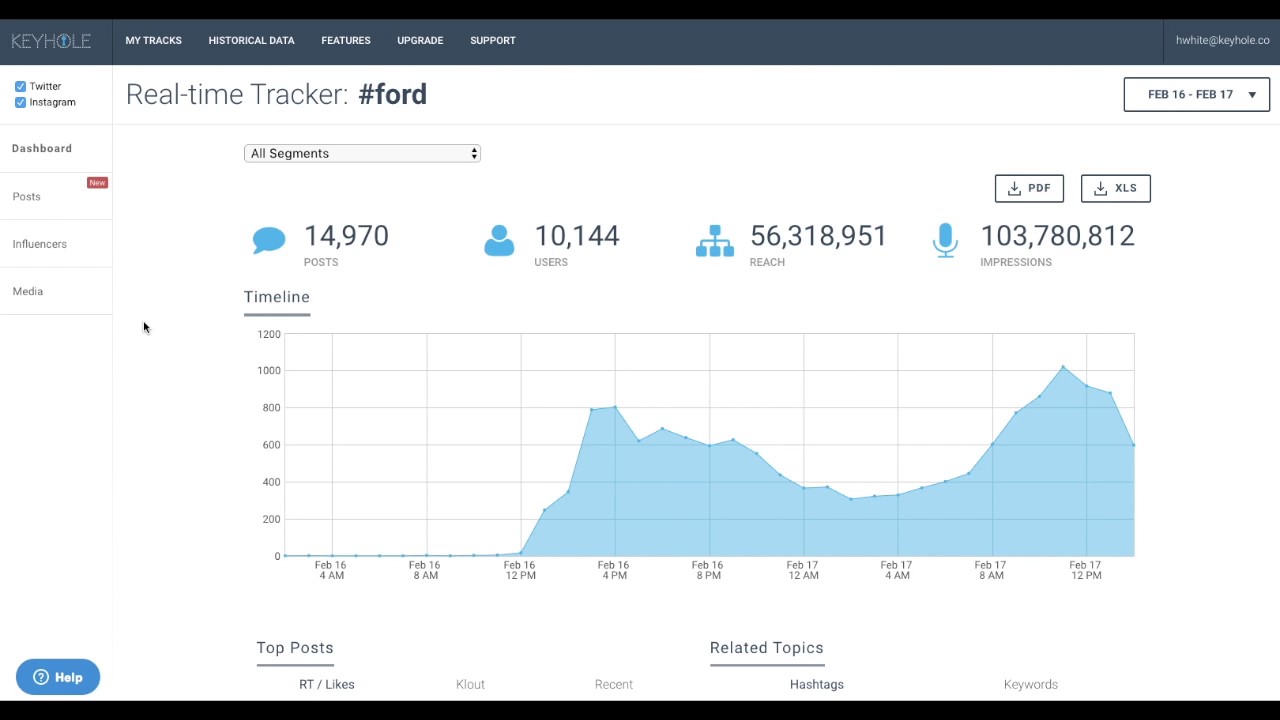
Building a presence on social media using guest posts is useful as the audience who read your post can look for similar articles in the future which can end up converting them into leads or clients.
3) Follow your competitors steps
In this technique you’re going to choose 3-4 competitors that rank above your website and start spying on them.
It is important to stay up-to-date by checking their online marketing strategy.
Try to use the same techniques your competitors are using to create backlinks.
This can be easily done by following two important steps:
1. Setting up alerts
You can set alerts that update you when your competitor publishes content or changes something on their website.
This can be done by creating a Google alert for the keyword “site:yourcompetitor.com”.
Suppose, my competitor website is petcare.com.
I could set Google alerts using the keyword “site:petcare.com”.

As well as setting Google alerts, you could deepen the link further by subscribing to your competitors email newsletter and follow them on social media (Cheeky, I know).
2. Take a peek at your competitors backlinks
Look for sites that are linking to your competitors content and try to get your own link. You can also look for guest blogs that they are being linked from.
Tools that can help you spy on your competitors are:
Monitor Backlinks:
With Monitor Backlinks you can add the links of your four close competitors and monitor them for backlinks and other activities related to SEO.

Source: Monitor Backlinks
Ahrefs:
Ahrefs is a highly regarded SEO tool. This tool gives a complete run down of all the backlinks attained from 3rd party referral sites.
The backlink analysis tool gives you an idea of which other higher domain authority sites, you can get backlinks from.
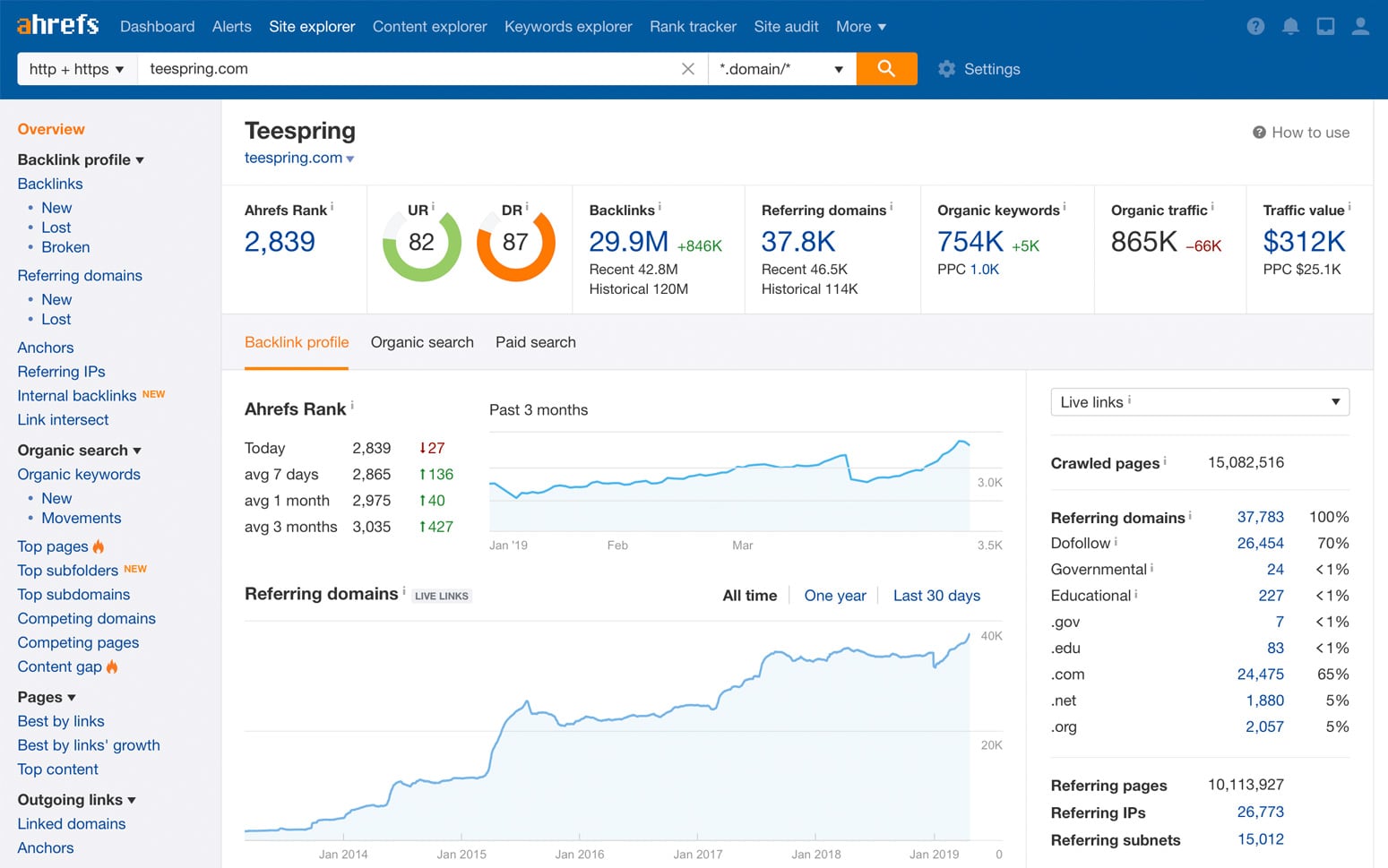
Source: Ahrefs
4) Internal link building
An internal link is a link from one page to another page on the same domain.
Obviously your websites navigation is a good example of internal linking, but in this instance i’m talking about actual links in the content of your pages.
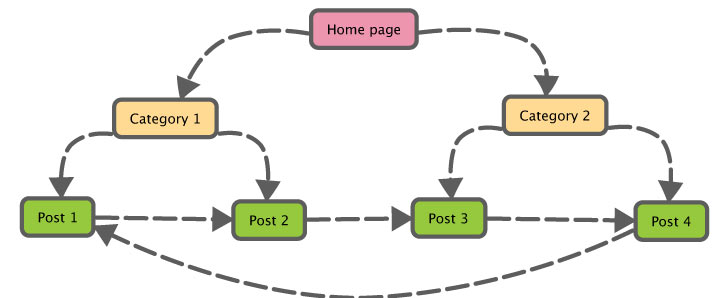
Source: Neil Patel
Using an internal link building structure can help your audience easily navigate through your website or blog. This technique is a “two birds with one stone” scenario as it is also a great way to increase the overall user experience of your site.
Internal links strengthen three parts of your SEO strategy:
- They pass authority from one page to another
- They can act as a CTA (Call To Action), prompting visitors to take a requested action
- They can guide visitors to high converting pages
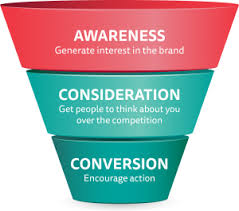
With this in mind; webmasters should keep internal links to less than 100 per page to properly optimise SEO performance.
5) Content Promotion
Content promotion needs to be done the right way, otherwise, you will not get backlinks.
To promote content effectively, you need to search for blogs and websites that run weekly and monthly roundups of similar content to yours.

Source: Robbie Richards
Now you need to create a kickass piece of content, this can be an infographic, blog post or tutorial. When you’re happy with your content, the next step is contact a webmaster/editor and pitch your creation.
Make sure that you are talking to them in a personable way. Editors are used to receiving copy & paste email templates, and usually, they wont even open them.

Source: Ahrefs
Next you will provide a link to your infographic, guide or a tutorial. These bloggers are constantly looking for a great content, so if you promote yourself the right way, they will definitely consider you. If they find your resource useful, your website link will be added in the next roundup.
Check out the Ahrefs blog for an in depth case study of this technique in action.
6) Testimonials
Googles algorithm considers testimonials as a great way to build traffic to a website.
You can create testimonials for your website on different blogs and other websites. There is a high probability that you can get a space for your link in exchange for a testimonial.
So, build a good relationship with other webmasters to link to your website.

7) Contact important bloggers and journalists
It’s important to spread the word about your business.
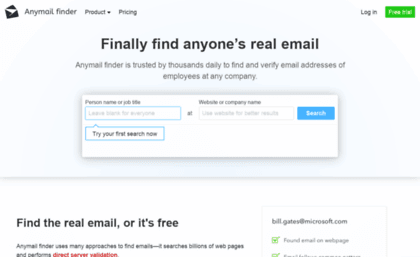
To do this, search for the email address of a blogger or a journalist. It can be hard if you search directly on Google.
Instead use tools such as Thrust.io or Emailfinder.io
Source: Thrust.io
Now just enter the website and name of the person working on that website. Or, alternatively, you can contact them through social media.
8) Make donations
Making donations is a great way to get backlinks from established domains.
Search for websites that accept donations and create a backlink to your website after you make your donation. All you need to do is simply donate an amount and attach your websites URL.
9) Go on a podcast
In less than a decade, podcasts have gone from relative insignificance to one of the fastest-growing marketing channels available today.
And guess what? They’re also great for getting backlinks
Being a guest on other people’s podcasts is a great way to gain publicity for both for you and your business.
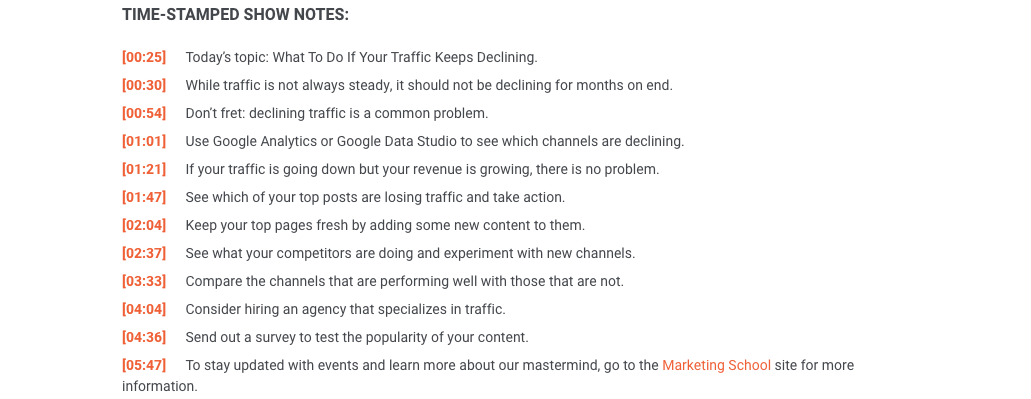
Most podcasters follow an interview format and are always looking for knowledgeable guests. This means that if you have a particular skill set or an interesting opinion, it should be pretty easy to become a guest on relevant a podcast.
Most podcasters are bombarded with emails from people asking to be interviewed, but many of these emails are disregarded or ignored due to them being entirely self serving.
Check out these statistics by Point Visible.

Source: https://www.pointvisible.com/
The key to being accepted onto a podcast is determining who their audience is and what they like.
Then send a pitch about why your story would be of interest to them. This can be an effective way to earn high-quality links that can dramatically boost your ranking.
Once accepted, the podcaster will usually leave a link to your website on the post-show page, followed by a short description of you, and your services.
Often, these are links that your competitors might not have considered, giving you an advantage over them in SERP.
Summary
Without a doubt, it can be a challenging task to earn relevant backlinks, but you can make the task simple by using the correct resources.
By ensuring that backlinks are an integral part of your websites SEO strategy, you are guaranteed to see a rise in the search engine rankings.
To learn techniques to get top quality back links have a look at our SEO course in Belfast.
Written By Matt Harris | Big Rock Designs